A small garden can give you something to enjoy from the dining table, a greener entrance or a place to sit outside. You don't need a large plot to start thinking about a Japanese-style garden.
If you have a garden that needs attention, or a balcony you'd like to use more, start by looking at the space you already have. How do you use it? What can you see from indoors? How much time would you like to spend looking after plants?
In this article
Start with the view you enjoy every day
Take a look from your sofa, kitchen or desk before choosing plants. A tree or a few pots in the right place may make more difference than filling every spare corner. Leave room to walk, open doors and hang laundry.
In a small garden, it helps to choose one part of the view to focus on. You might keep an existing tree, clear the space around it and use a simple path or boundary to bring the area together.
At a detached home, that could mean changing a planting bed or the path beside it. On a balcony, a few well-placed plants may be enough—but check the building's rules and the conditions on site first.
Choose materials that suit your home
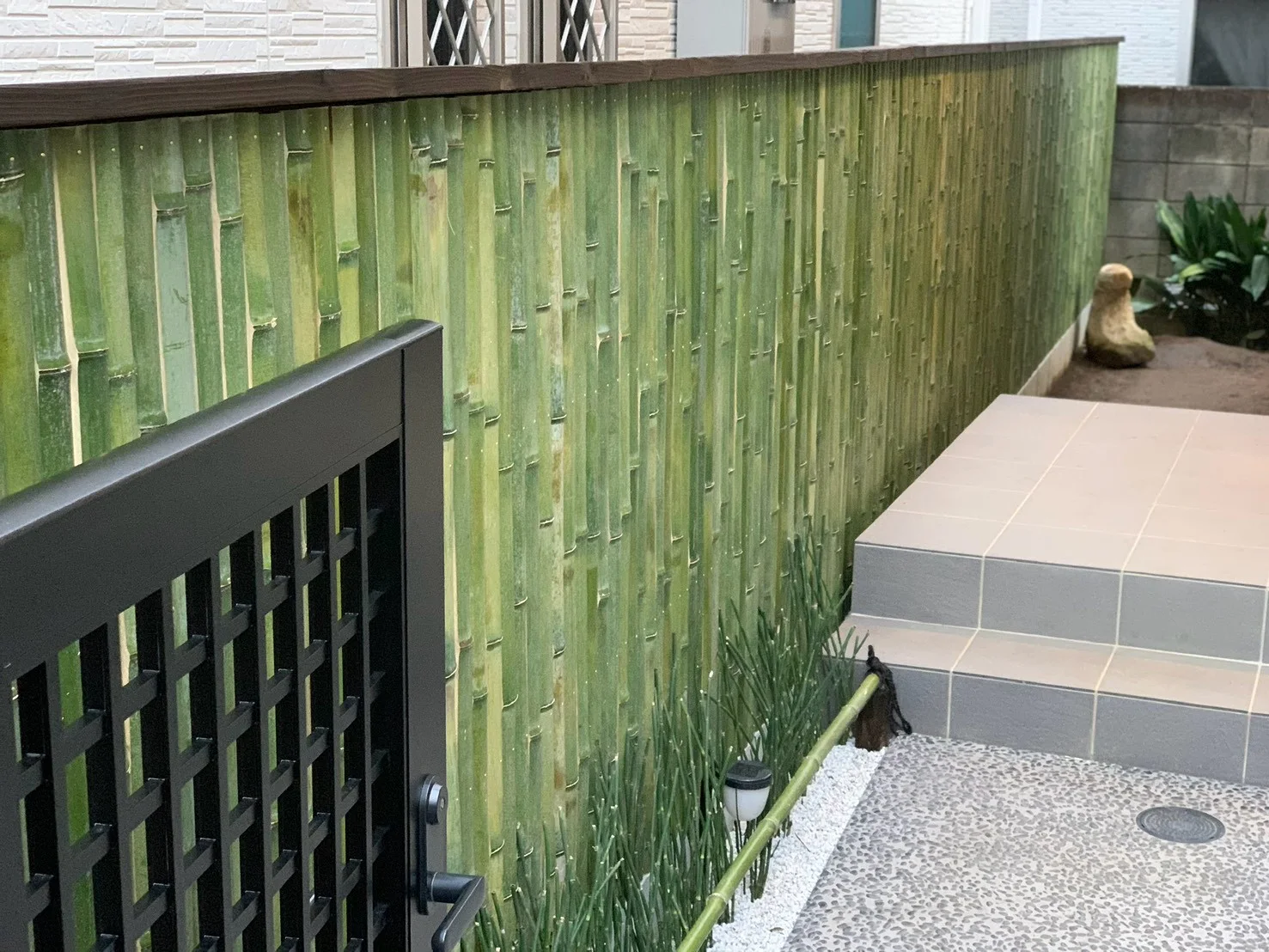
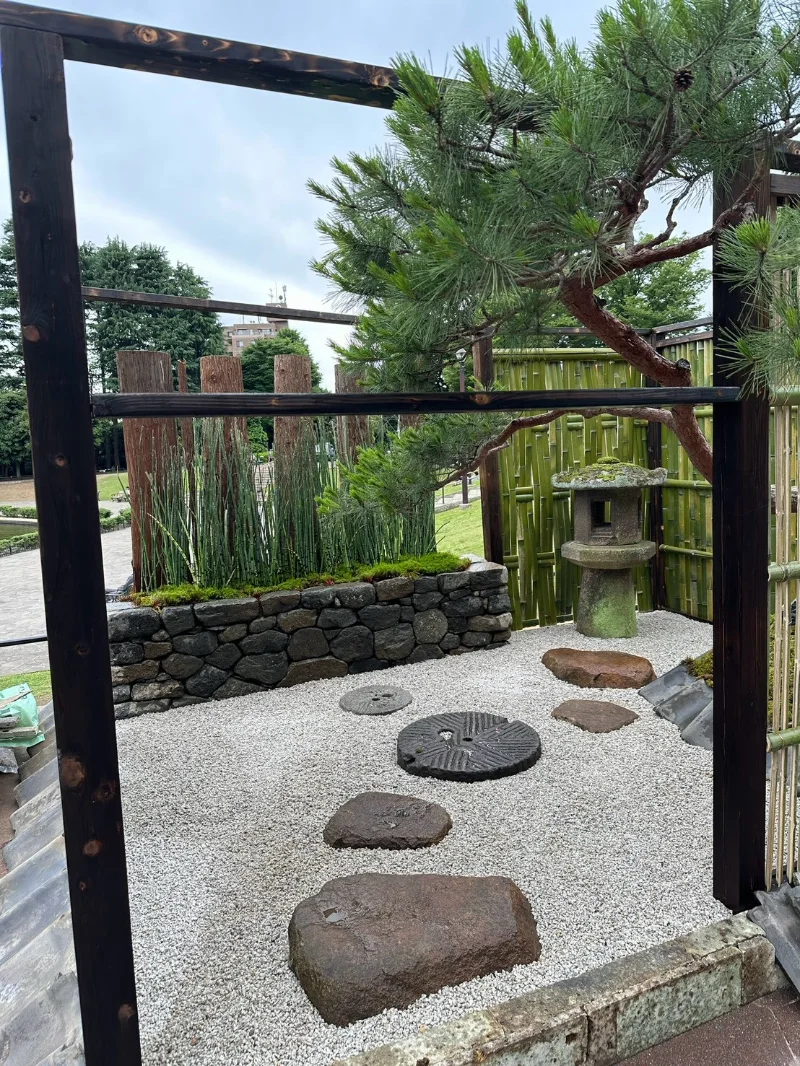
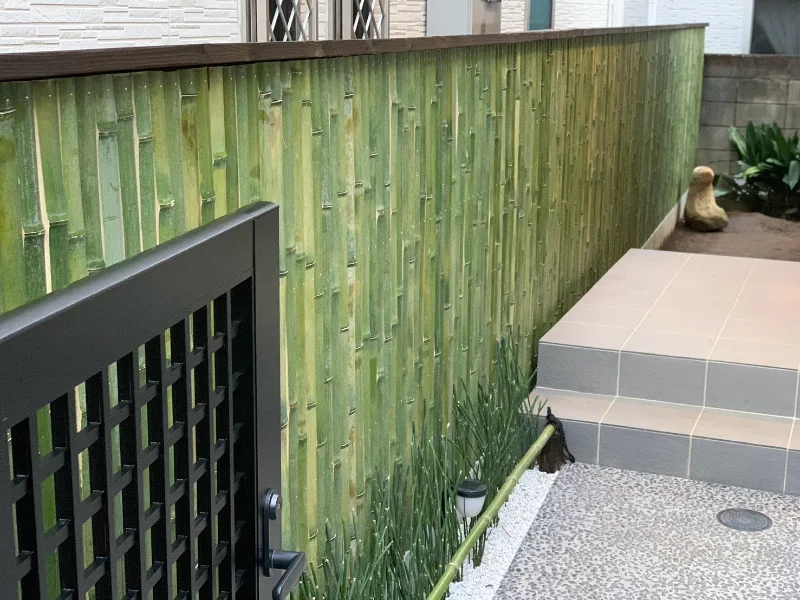
Stone, gravel, plants and bamboo fencing can all be part of a Japanese-style garden. You don't have to use all of them. Think about what you need: a nicer view from indoors, a tidier entrance or a little more privacy.
Daruma Ueki's garden work includes bamboo fencing and stone flooring. Looking through examples can help you explain what you like. We would still need to discuss what suits your space, rather than copy a photograph exactly.
Think about the care plants will need
Before buying a plant, check how much sun and wind the spot gets, how big the plant will grow and whether you can reach it for pruning. A plant that looks good in a photo may need different conditions from those at your home.
Watering, fallen leaves and time away from home matter too. If you like doing some of the gardening yourself, tell us which jobs you'd like to keep and which you'd like help with.
You may not need a full redesign. Pruning and tidying an existing garden can be a useful place to start, then you can decide what to keep or change.
Check the rules before planning a balcony garden
A balcony needs a different approach from a garden at ground level. In Japanese condominiums, balconies are commonly shared building property with exclusive-use rights. Read your building's management rules and ask the management association or property manager what is allowed before arranging work. The Ministry of Land, Infrastructure, Transport and Tourism explains private and common areas in condominiums.
Check these points before choosing pots, screens or floor coverings:
- Emergency access: Keep escape routes, break-through partition panels and evacuation hatches clear. Leave the space needed for a ladder coming down from the balcony above.
- Drainage and waterproofing: Keep drains accessible and clear of soil and leaves. Consider how watering and any floor covering could affect drainage and the waterproof surface.
- Weight and wind: Ask the building's management about suitable loads and placement, and consult a qualified building professional where needed. Count the combined weight of pots, wet soil, stone and other materials. Plan for strong winds before anything is installed.
- Safe positioning: Keep items away from places where they could fall or become a step beside the railing. Movable pots and screens need these checks too.
UR's balcony guidance shows evacuation, drainage and falling-object precautions. Your building may have different requirements. Tokyo Fire Department also advises securing loose items or bringing them indoors before strong winds.
Once these points are clear, you can discuss whether the idea is suitable for your balcony and what would need to change.
Ask us about your garden in English
Daruma Ueki is based in Ota-ku, Tokyo, and is led by Tatsuro Suzuki. You can ask about looking after an existing garden or discuss ideas for a Japanese-style outdoor space, including whether they would work at your home.
English enquiries are welcome by email or LINE. If you need English-speaking staff for a visit, please mention it when you get in touch. An additional fee may apply if English-speaking staff need to be arranged for your visit. This does not mean that every English email or LINE enquiry carries an additional charge. Please also check whether we can serve your location.
Send a few photos if you have them, your general location, rough measurements and what you'd like to change. For a condominium balcony, include any building restrictions you know about.